By Clayton Newell, Director of Product, APAC, Henry Schein One
Something is happening in dental practices at the moment that I did not expect, and I think it deserves more attention than it is getting.
Early adopters within the dental industry are building their own software.
Not in any formal sense. There is no development team and no budget line. A practice owner has a problem their software does not solve, they describe it to an AI tool, and a few hours later they have something that works. Then they connect it to their practice management system through its APIs and start using it. Reporting dashboards. Follow-up workflows. Small tools that fill a gap in a practice.
I see this from an unusual angle, because the practices doing it are connecting to our platform. So, I can see what is being built.
This is a better kind of innovation than mine
I want to be straightforward about this rather than defensive. When a dentist builds a tool to solve a problem in their own practice, they are solving the right problem, because they have felt it. We work hard to understand what practices need, but there is a difference between understanding a problem and living with it.
So, my instinct is that dentist-led innovation is a healthy development for the profession and we should help support it and, where it makes sense, partner with businesses offering new tools.
With one significant caveat.
The three questions, and the answer I usually get
Where is the data held? Is it held in this country? And does the licence you are on actually permit patient information to be in that tool at all?
The honest answer is almost always the same: I don’t know.
I want to be clear that this is not a criticism, and it is not a failure of diligence. These tools arrived extremely quickly, and nothing about using them feels risky at the time. You are not handing data to a stranger. You are typing into a box.
But a practice can be in breach of its obligations having done something that felt entirely sensible, and that is worth knowing before it happens rather than after.
The ‘free tier’ is free, but your data may not be yours
Many AI tools have a free tier and a paid tier, and the terms are frequently not the same. On some free tiers, what you type in may be retained, may be reviewed by humans for quality purposes, or may be used to improve the underlying model. On the equivalent paid or business tier, often none of that applies.
Two people can use what looks like the same tool in the same way, and only one has a problem. The difference is a subscription setting nobody thought to check.
Where the data physically sits matters for the same reason. If patient information leaves the country, that is a question about your obligations, and it is not a question your software provider can answer on your behalf.
What good looks like
I am not suggesting anybody stops. I am suggesting a short conversation before you start.
Ask where the data is held and whether it stays in your country. Ask what the tool does with what you put into it – whether it is retained, whether it trains the model, whether you can have it deleted. Ask what your specific licence tier permits, not what the website says in general. Ask who else can see it. And write down the answers, because the useful thing is not only knowing – it is being able to show that you asked.
If you cannot get a clear answer to any of those, that is itself the answer. Use the tool for something that does not require patient data until you are data compliant.
The part that cannot be handed over
A modern practice runs on a lot of connected software. That is a good thing – sensible use of APIs and data moving properly between platforms is what turns a collection of systems into something that works as one.
But every connection is a decision about where information goes. As practices adopt more tools, data governance stops being a thing you check once at purchase and becomes a standing responsibility. That is the part that cannot be automated, cannot be outsourced to a vendor and cannot be delegated to a supplier’s compliance page. Knowing where your patients’ information sits, and who is accountable for it, stays with the practice.
Which, incidentally, is a reasonable set of questions to ask your practice management provider too. Including us.
About the author
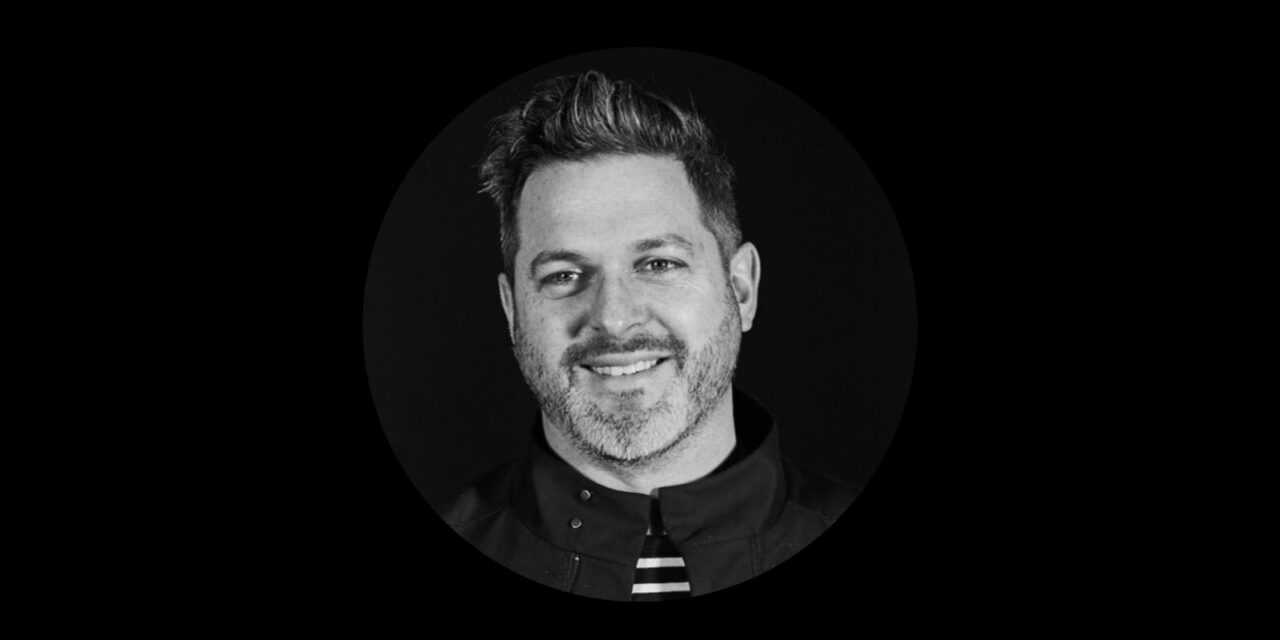
Clayton Newell is Director of Product, APAC at Henry Schein One, where he leads product for Dentally across Australia and New Zealand.